Wildflower Floral Line Art
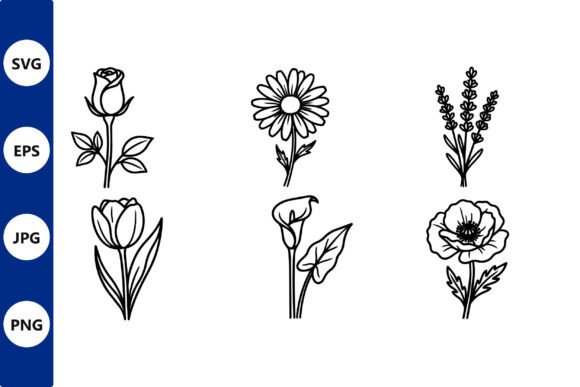
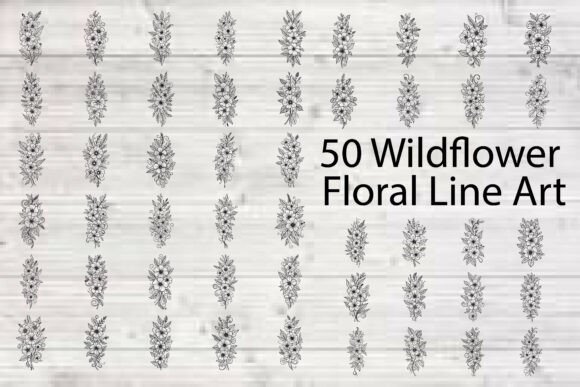
As a designer who’s spent years working with machine embroidery designs, I’ve seen my fair share of floral patterns. But Wildflower Floral Line Art stands out for its quiet elegance and versatility. This collection of 50 vintage botanical flower vector illustrations feels like a breath of fresh air—delicate, timeless, and perfectly suited for a range of embroidery projects.
The First Impression: A Mood of Grace and Simplicity
From the moment I opened the file, I was struck by the clean lines and soft curves that define each design. The wildflowers are not overly intricate, but they carry a sense of refinement that makes them feel like they belong in a handcrafted space. The layout is balanced, with enough detail to be visually interesting without overwhelming the eye.
This collection is ideal for projects that aim to evoke a sense of calm and nostalgia. It fits naturally into handmade products like embroidered tote bags, baby items, or personalized gifts. The line art style means it can be adapted to various stitching techniques, from simple running stitches to more complex satin and fill stitches.
Real-World Embroidery Use Cases
I tested Wildflower Floral Line Art on several fabrics, including cotton, linen, and a lightweight denim. The designs held up well on most surfaces, especially when using proper stabilizer. For custom apparel like t-shirts and sweatshirts, the line art provides a subtle yet sophisticated look that doesn’t overpower the garment.
One project I worked on involved an embroidered patch for a boutique clothing line. The Wildflower designs were perfect for this application—they translated well to small hoop sizes and maintained their clarity even when stitched at a larger scale. The simplicity of the line art also made it easy to adjust for different sizes and placements.
For baby items, like onesies and blankets, the designs added a gentle, artistic touch without being too busy. They paired well with soft pastel thread colors, creating a calming aesthetic that parents would appreciate. On holiday embroidery projects, such as embroidered tea towels or pillow covers, the designs brought a rustic charm that felt both authentic and modern.
Where to Be Cautious
While Wildflower Floral Line Art is versatile, there are some situations where it might not perform as well. On small hoop sizes, the details can become compressed, so it’s best to simplify or scale down the design if needed. Thin or stretchy fabrics may require additional stabilizer to prevent puckering or distortion.
Dark fabrics can also be a challenge. The line art relies on contrast, and on black or navy backgrounds, the design may appear too faint. In such cases, using a contrasting thread color or adjusting the design’s weight can help. Similarly, textured fabrics like canvas or burlap may not show the fine details as clearly as smooth materials.
When working with layered garments or curved surfaces like caps, the design’s linear nature can sometimes lead to uneven stitching. It’s important to test the design on a similar fabric before committing to a full project. Tiny lettering or dense stitch areas should also be reviewed carefully to ensure they remain legible and functional.
Impact on Visual Appeal and Customer Perception
Wildflower Floral Line Art has a strong visual appeal that can elevate any handmade product. Its minimalist style allows for creative flexibility, making it a valuable addition to any embroidery designer’s toolkit. When used in commercial embroidery projects, it adds a level of sophistication that can increase the perceived value of the finished product.
For Etsy sellers and small shop owners, the designs offer a reliable base for creating consistent branding across multiple products. Whether it’s a printable mockup for a digital product or an embroidered patch for a craft fair booth, the line art provides a professional look that customers recognize and appreciate.
Personalized gifts and custom apparel benefit greatly from the design’s adaptability. It’s easy to modify the line art for different occasions, from weddings to birthdays, ensuring that each piece feels unique and thoughtful. This kind of flexibility helps build customer trust and encourages repeat business.
Practical Designer Notes
Before using Wildflower Floral Line Art in any project, I recommend testing it on scrap fabric. This helps you understand how the design will look when stitched and whether any adjustments are needed. Checking thread color contrast is also essential—especially for dark fabrics or low-light environments.
Reviewing the stitch density is another key step. Some designs may require additional spacing between stitches to avoid overcrowding, particularly in areas with tight curves or small details. Confirming the correct hoop size ensures that the design fits comfortably and stitches evenly.
For commercial use, always check the licensing terms to make sure the design can be used for your intended purpose. Whether you’re selling finished products or digital embroidery files, understanding the rights associated with Wildflower Floral Line Art is crucial.
In summary, Wildflower Floral Line Art is a solid choice for designers looking to add a touch of vintage charm to their work. Its clean, elegant style makes it suitable for a wide range of embroidery projects, from custom apparel to holiday gifts. With careful consideration and testing, it can become a go-to design for both personal and commercial use.